Why Is It Called a Tonneau Cover 2026 Top Types?
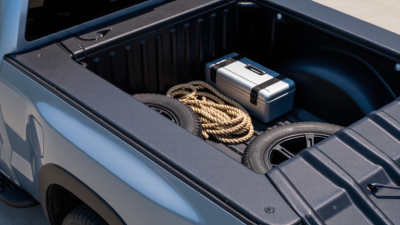
Ever wonder why it's called a tonneau cover? Well, it all starts with the word 'tonneau,' which comes from French automotive lingo. Back in the day, it described the rear passenger area right behind the front seats. So, when early roadsters had that open back section, drivers desperately needed a way to keep their luggage, tools, and spare tires safe from the elements. The solution? A fitted covering—and naturally, folks started calling it a tonneau cover. Pretty neat, right?
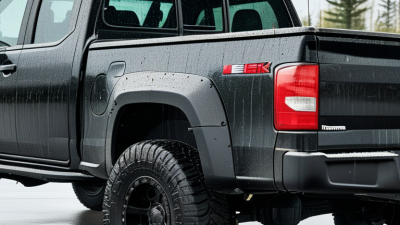
Look, automotive historian Tom Cotter hit the nail on the head when he said, “Tonneau describes the rear passenger area; the cover protects it.” And that’s still the core idea behind every truck accessory out there today. I mean, a modern cover might look all sleek on a pickup bed, but it’s doing the exact same thing – keeping your cargo safe from rain, dust, sun, and nosy neighbors. Plus, it gives the truck a cleaner look on the highway. So yeah, the details matter, but it all comes back to that simple concept.
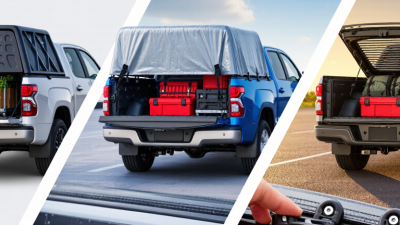
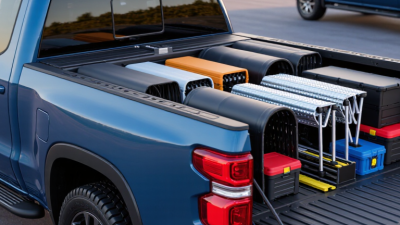
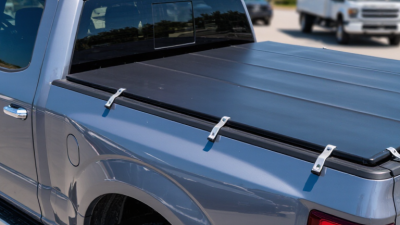
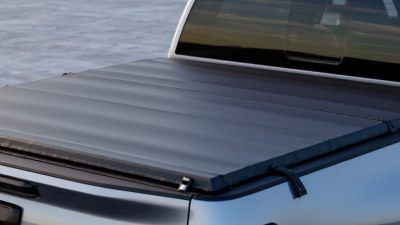
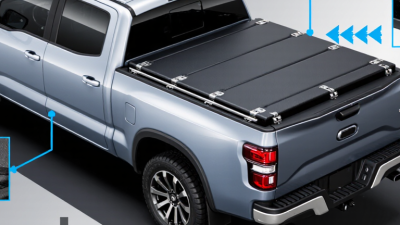
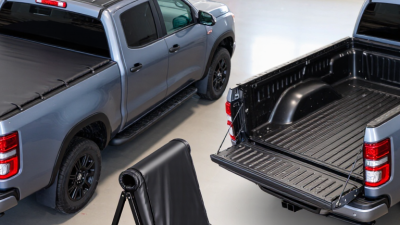
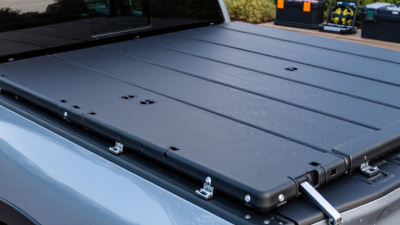
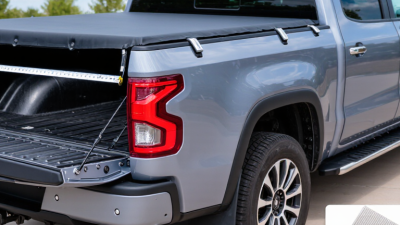
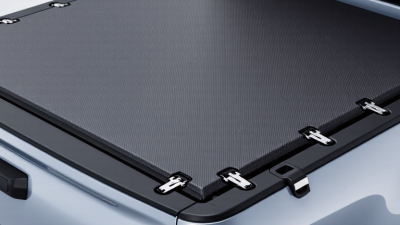
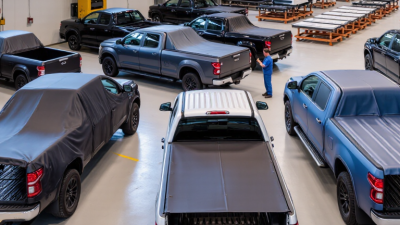
So, whether you're looking at a soft tonneau cover that just rolls or folds right up beside the cab—makes loading stuff way quicker, you know?—or a hard cover that’s got that sturdier surface and a cleaner, more finished look. Honestly, the soft one is fine for quick access, but for protection, the hard cover takes the cake. You've got your folding, rolling, retractable, or hinged options, each kinda fitting different driving habits. Like, if you're a contractor who's always hauling heavy gear, you probably want something that gives fast access without having to mess with a bunch of parts. It's all about what you're used to, really. Look, if you're a weekend warrior hitting the road, you probably want a tonneau cover that shrugs off rain and looks sleek without drawing attention. But here's the thing—no cover is perfect. Seals give out, hinges demand attention, and honestly, how well you install it matters way more than most folks expect. That's exactly why this 2026 guide digs into the leading types—looking at real-world use, materials, fit, maintenance, and how they actually protect your cargo day to day. Sure, the jargon has been around for ages, but picking the right one? That's all about today's needs, not just history.
Read more »